Finding Clarity: How Journaling Can Help You Organize Your Mind
Journaling is more than writing. It is a way to release what you are carrying and create space for clarity. In this post I share practical techniques and tips to start journaling without pressure. Whether you free write, use prompts, or keep it simple, journaling can help organize your thoughts, reduce stress, and reconnect you with yourself. You do not need the perfect pen. You just need the moment.
Quanda
11/30/20253 min read

The Benefits of Journaling for Mental Clarity
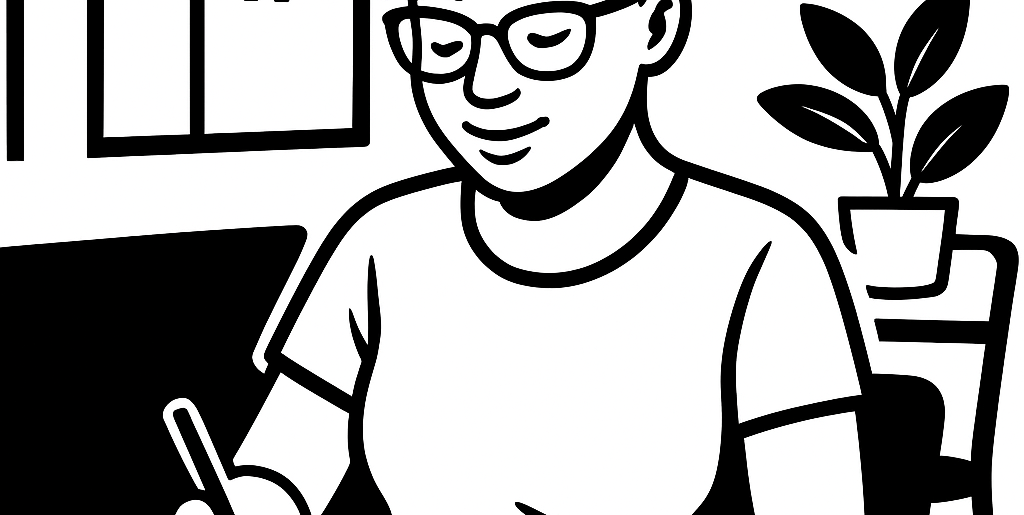
Let me tell you what journaling did for me. It gave me somewhere to put the thoughts I could not keep carrying. On paper they did not feel so loud. For many of us life gets so busy we do not realize how much we are holding until it starts spilling out. Journaling creates space for release. It is not about being a writer. It is about being honest.
Putting your thoughts down helps reduce stress because it moves what you are thinking from your head to the page. It gives you a quiet moment where you get to hear yourself without interruption. When you write regularly you start to recognize patterns. You begin to understand what drains you and what lifts you. That is where clarity begins. Not in perfectly organized thoughts but in the permission to say what you feel for your eyes only.
People often overlook how much emotional intelligence is built through journaling. Once you learn to name what you are feeling it becomes easier to understand the emotions of others. It makes communication smoother. It helps in relationships. You stop reacting and start responding because you have already worked through it on paper.
Writing things down also brings order to mental chaos. When everything is swirling together in your head it is hard to think clearly. But when you journal it allows you to sort through everything one thought at a time. From that place solutions begin to show up. Peace is easier to access. Clarity becomes possible.
Journaling Techniques to Try
There is no one way to journal. Try what works for you and let it change as needed.
Free writing is simple. Set a timer and write without worrying about spelling or structure. Let it flow. This helps you release what is sitting beneath the surface.
Bullet journaling is great if you want to plan your tasks while still checking in with yourself. Think of it like a planner with reflection. Useful for tracking progress without feeling overwhelmed.
Gratitude journaling is powerful when life feels heavy. Each day write one or two things you are thankful for. It helps shift your perspective toward what is still good even when everything else feels like too much.
Prompted journaling is for moments when you do not know where to start. Use questions like “What is stressing me today?” or “What do I need right now?” Then write your truth.
Making Journaling Part of Your Routine
Start small. Set aside five to ten minutes during coffee in the morning or before bed at night. Do it in a space that feels peaceful. It does not matter if it is your kitchen table or the car before walking into work. What matters is that it is yours.
Choose tools you actually enjoy using. If you like the feel of pen and paper use a notebook that feels good in your hands. If you live on your phone use a digital journal app. There is no wrong way to do this.
Set realistic goals. You do not have to write every day. Once or twice a week is a good start. Consistency matters more than frequency. Over time it stops feeling like another task and starts to feel like a place you go to breathe.
Overcoming Journaling Struggles
Writer’s block is normal. When it happens lower the pressure. Set a timer and write whatever comes. Even if all you write is “I do not know what to say.” Eventually the words come.
Feeling overwhelmed by the process means you are trying too hard to do it right. There is no right. Start with one thought. Or even one sentence.
When life gets busy journaling often gets pushed aside. Try tying it to something you already do. Maybe write while your coffee brews. Or right before you check social media. Keep your journal visible. The reminder alone may prompt you to open it.
No matter what journaling looks like for you remember this. It is not about writing something perfect. It is about giving yourself a moment that belongs to you. One quiet minute to reset.
If you want help getting started I am working on journals and writing tools inside Cozy Stationery Nook that make this process easy and approachable. Until then grab any notebook you have and write one sentence tonight.
You do not need permission. You just need the moment